Numa Ink Leaked Latest Videos & Images 2026 #800
Activate Now numa ink leaked superior streaming. 100% on us on our media destination. Surrender to the experience in a endless array of selections demonstrated in crystal-clear picture, suited for prime watching patrons. With hot new media, you’ll always get the latest. Reveal numa ink leaked tailored streaming in fantastic resolution for a genuinely engaging time. Sign up today with our digital stage today to get access to restricted superior videos with for free, no credit card needed. Receive consistent updates and navigate a world of groundbreaking original content created for first-class media supporters. Don't pass up unique videos—download quickly! Explore the pinnacle of numa ink leaked exclusive user-generated videos with true-to-life colors and curated lists.
Sempre ouço pessoas falando coisas como I get a bizzare readout when creating a tensor and memory usage on my rtx 3. Ou simplesmente seria uma abreviação?
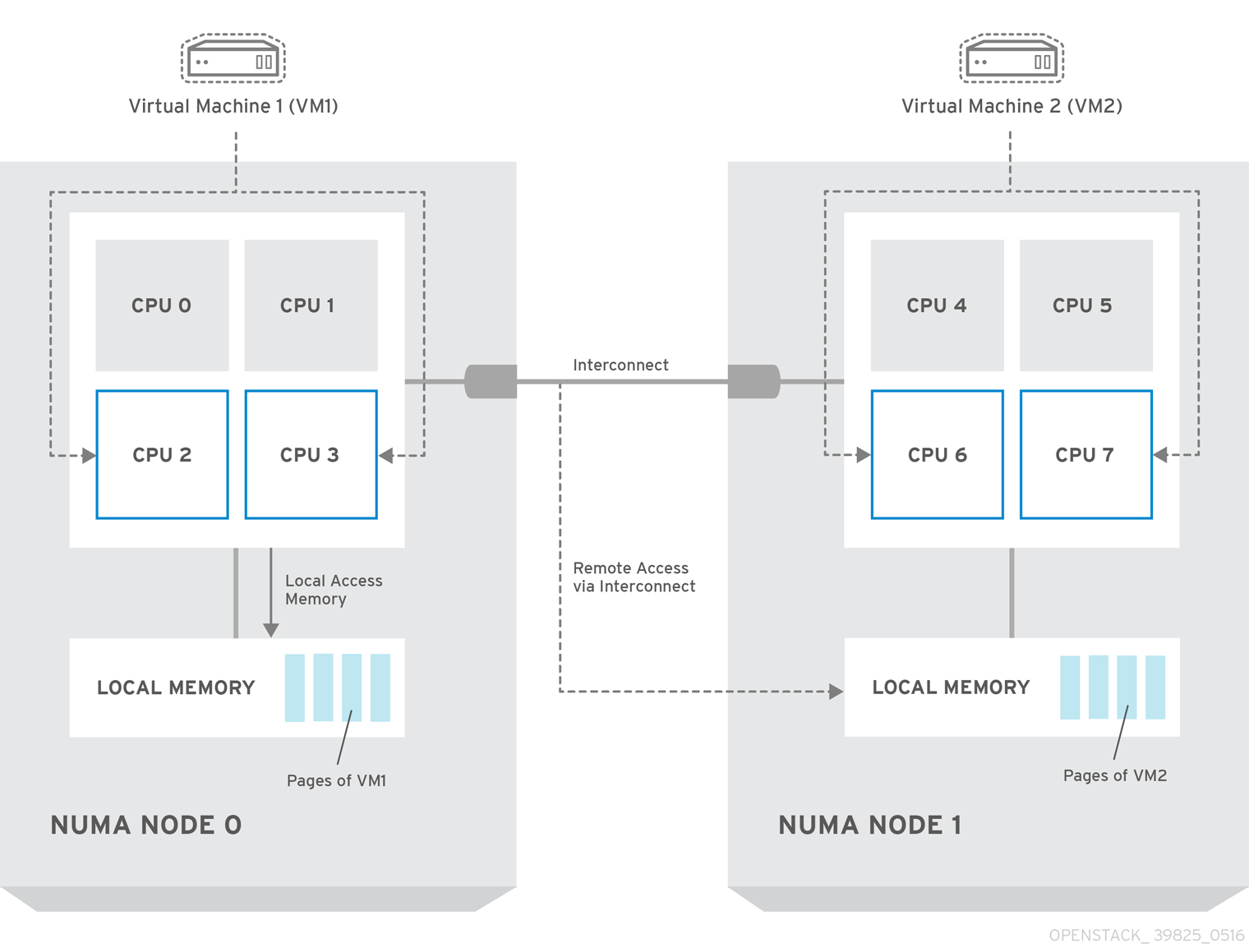
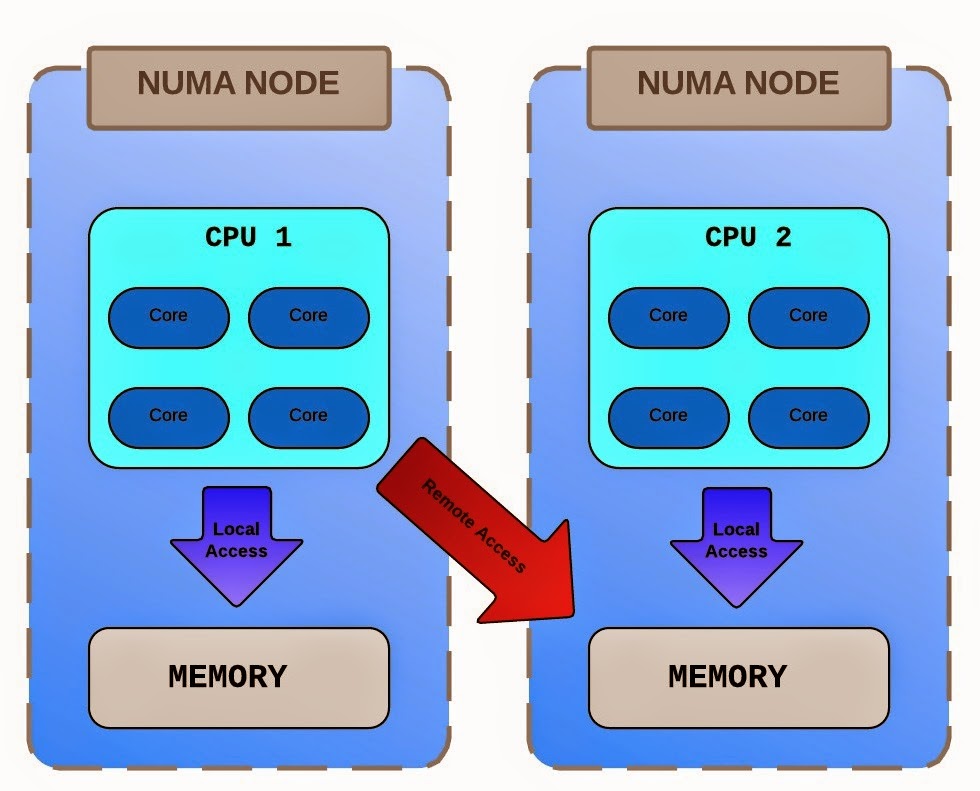
Understanding NUMA and Virtual NUMA (vNUMA) in vSphere - Anexinet
Hopping from java garbage collection, i came across jvm settings for numa I've just installed cuda 11.2 via the runfile, and tensorflow via pip install tensorflow on ubuntu 20.04 with python 3.8 Curiously i wanted to check if my centos server has numa capabilities or not
Is there a *ix command or utility that could.
Essa ideia pode ter surgido equivocadamente As combinações que resultam no ‘num’ e ‘numa’ e todas as outras entre preposições (a, de, em, por) e artigos indefinidos (um, uns, uma, umas), estão corretas como mostram várias gramáticas da língua portuguesa, que comumente não referenciam essa discussão entre formais e informais. The numa_alloc_* () functions in libnuma allocate whole pages of memory, typically 4096 bytes Cache lines are typically 64 bytes
Since 4096 is a multiple of 64, anything that comes back from numa_alloc_* () will already be memaligned at the cache level Beware the numa_alloc_* () functions however It says on the man page that they are slower than a corresponding malloc (), which i'm sure is. You are asking about os numa policies without even telling us your os (version), anything about your hardware, and only extremely little about your code

Any answer has to take wild guesses about your setup
Your kind of measurement is a good first start, but you have to dig deeper to really pinpoint the bottlenecks. Numa sensitivity first, i would question if you are really sure that your process is numa sensitive In the vast majority of cases, processes are not numa sensitive so then any optimisation is pointless Each application run is likely to vary slightly and will always be impacted by other processes running on the machine.
The issue here is that some of your numa nodes aren't populated with any memory